Focus of the Training Seminar: The Essence of President Shavkat Mirziyoyev’s Speech at the Ceremony Marking the 35th Anniversary of the Republic of Uzbekistan’s State Independence
Focus of the Training Seminar: The Essence of President Shavkat Mirziyoyev’s Speech at the Ceremony Marking the 35th Anniversary of the Republic of Uzbekistan’s State Independence
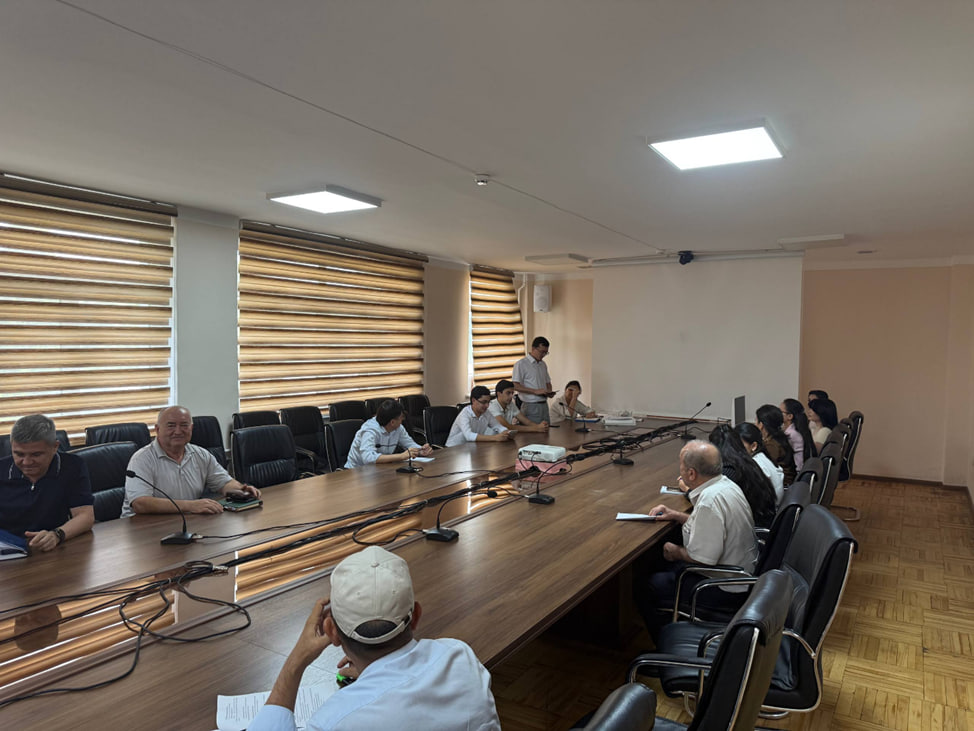
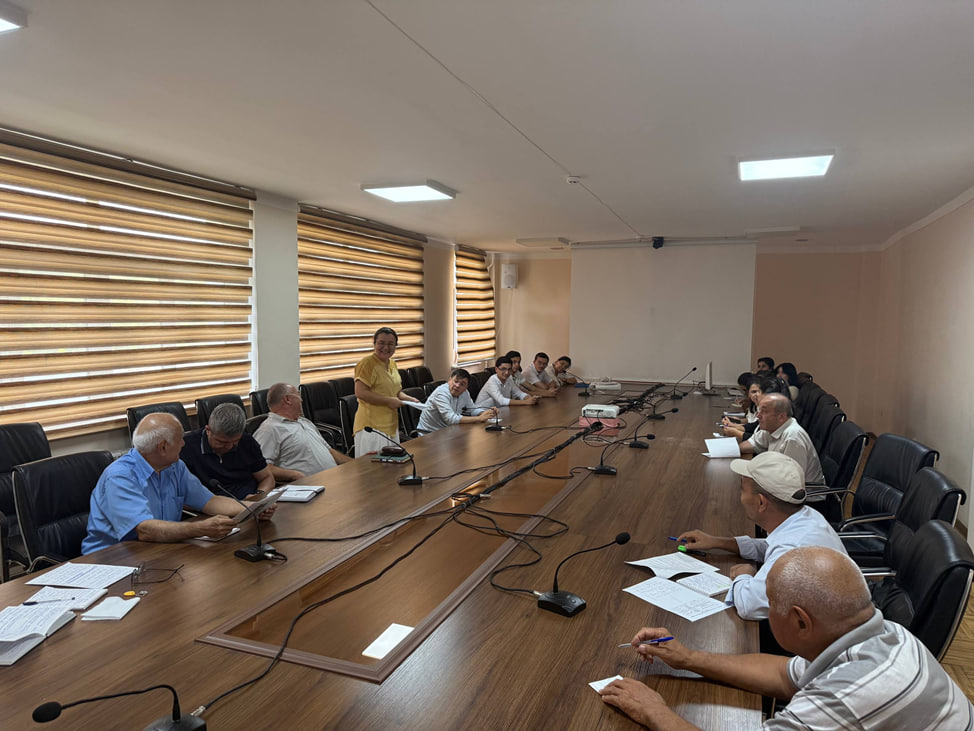
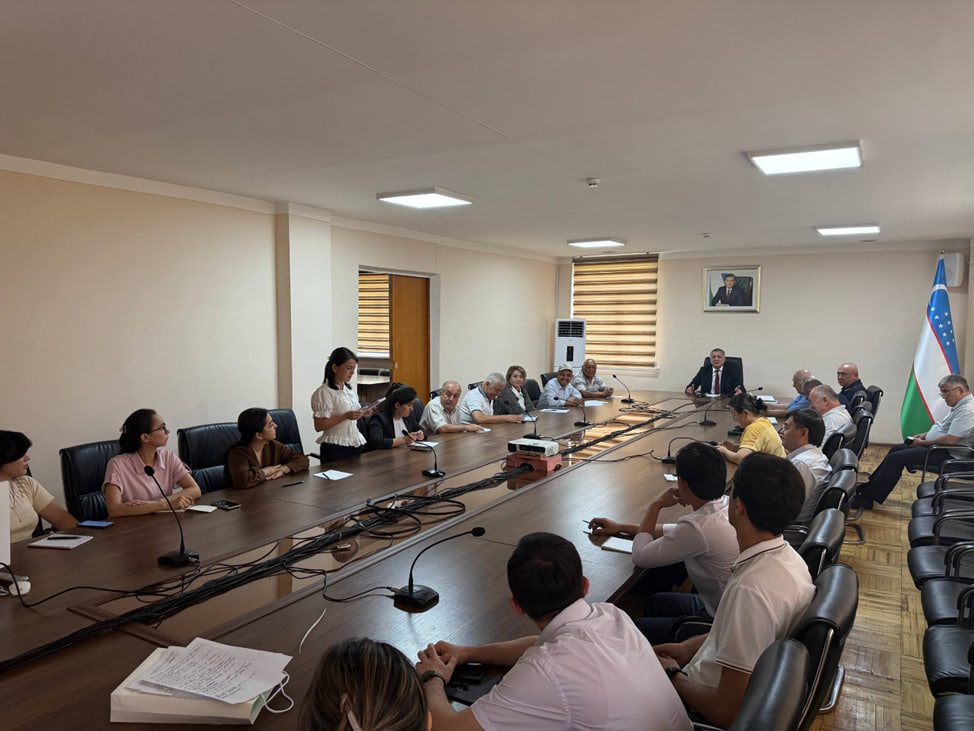
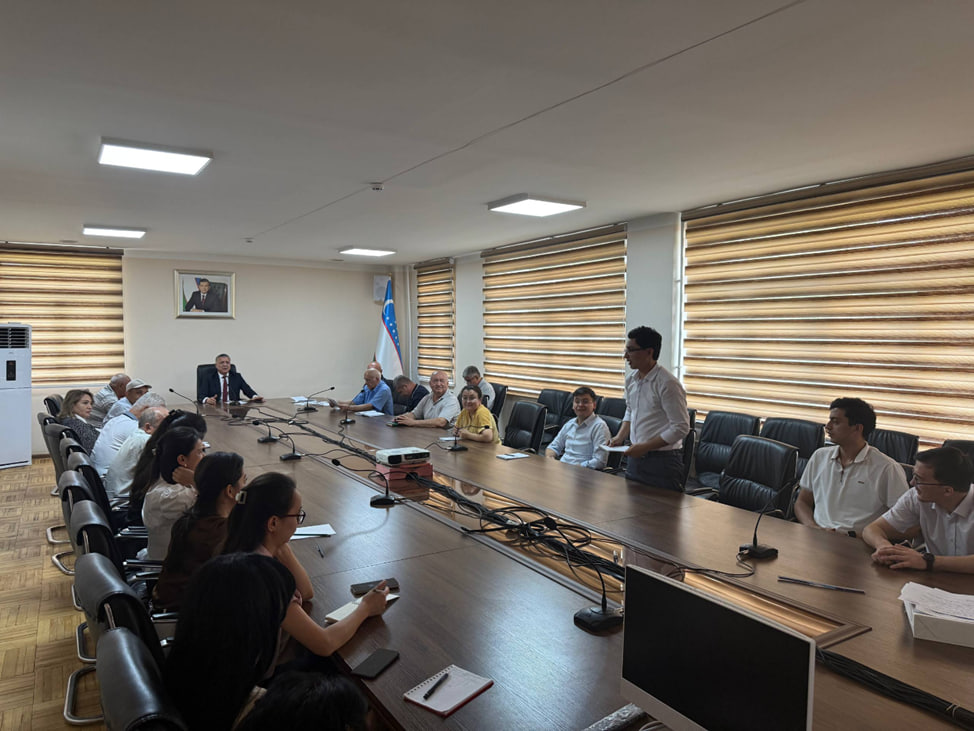
On September 3, 2026, the training seminar—a standing public body operating at the Institute of State and Law—focused its attention on the essence and significance of the speech delivered by President Shavkat Mirziyoyev at the ceremonial event dedicated to the 35th anniversary of the state independence of the Republic of Uzbekistan.
In his opening remarks, the seminar’s chairperson, M. Turgunov, emphasized that the conceptual ideas and practical, pragmatic proposals put forward by President Shavkat Mirziyoyev in that speech hold great methodological importance for the advancement of our academic field and the development of national jurisprudence. It was noted that the Head of State’s address—which served as a distinct call to action for the entire country and people—provided a major impetus for the socio-political and spiritual life of the state and society. In that speech, he stated: "Today, we stand at a particularly responsible and decisive juncture in history. Our country is stepping into a completely new era of development. The coming decade will be a period of national advancement for us. We will build this ourselves, solely through the intellect, labor, and unity of our people. To this end, in the coming years, we will implement seven national programs designed to further elevate human dignity."
M.Kh. Baratov, the deputy chair of the training seminar, focused specifically on these seven national programs.
He emphasized that the first national program, in particular, is of exceptional importance to the scientific community—including academics and young researchers.
The first national program centers on transforming knowledge and skills into the primary capital for our future development. As noted, all schools will be fully integrated into international assessment programs. International educational standards will be introduced in the country's technical colleges; these institutions will offer training for high-income professions, with the total enrollment capacity reaching one million students. In short, no young man or woman in the New Uzbekistan will remain without a vocation. A major goal has been set to ensure that at least ten universities enter the global top 1,000 rankings in the coming years.
The second national program aims to ensure the health and longevity of our people.
To this end, the objective is to raise state health expenditure to 5 percent of GDP over the next five years and to transform our country into a hub for advanced medicine, pharmaceuticals, biotechnology, and medical education.
The third national program focuses on transitioning our economy to a model based on high technology and labor productivity.
The goal is to attract $450 billion in foreign investment over the next decade and, while maintaining high economic growth rates, to increase the volume of GDP to $300 billion by 2030.
Developing startups, venture capital, and artificial intelligence will become a priority in fully unlocking the potential of our youth.
The fourth national program is aimed at fundamentally changing our approach to water and nature.
Expanding the coverage of water-saving technologies on agricultural lands to 100 percent over the next five years has become a nationwide goal. Attitude toward nature reflects a people's culture, a state's responsibility, and the quality of its development. Therefore, our country is elevating the "Green Space" nationwide movement to a new level of quality, ensuring that green areas surrounding schools, kindergartens, hospitals, and apartment complexes are protected as the inviolable wealth of society.
The fifth national program focuses on strengthening judicial independence and establishing the rule of law as a shared societal value.
To achieve this, key tasks include implementing a structured system of legal education starting in schools, resolutely continuing reforms to strengthen legal guarantees for citizens and entrepreneurs, and further intensifying measures to prevent cybercrime, drug abuse, and human trafficking.
The sixth national program aims to transform the *mahalla* (local community) into the primary driver of societal development.
The approach to developing state programs will now undergo a fundamental shift. District budgets, investment programs, and infrastructure projects will be formulated based on requests from the *mahalla*. In this process, the demands and needs of citizens, as well as the well-being of the *mahalla*, will serve as the primary criteria.